
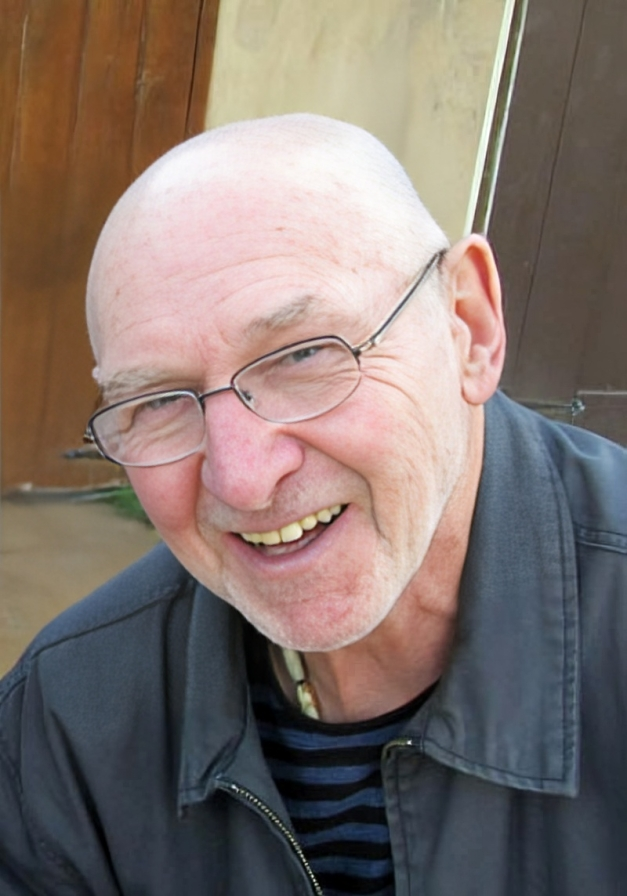

Stan Moran
Stan Maron’s life was shaped by persistence, reinvention, and an eventual commitment to social justice. Growing up in a dysfunctional family amid social and economic hardship, Maron entered adulthood without a clear sense of direction but with a determination to build a life better than the one he had known. In his early years, he supported himself by bussing dishes, waiting tables, taking day-labor jobs, and hustling pool and three-cushion billiards. In 1954, he volunteered for the U.S. Army, serving for two years before being discharged in 1956.
After leaving the Army, Maron tried his hand at a variety of occupations, including work in the garment industry, sales, and door-to-door canvassing. He eventually found success as a street peddler in New York City, an unconventional career that suited his independence and allowed him to establish his own working rhythm. His experiences navigating New York and finding ways to survive and earn a living would become an important part of the story he later told in New York Hustle.
As his life became more stable, Maron moved into work in social services and education. Working with people facing economic and social disadvantages profoundly influenced his outlook. Through this work and his relationships with people involved in social-justice causes, he developed a stronger belief in the responsibility individuals have to improve conditions for others and contribute to a more equitable society.
Maron later reflected on his difficult upbringing not simply as a source of hardship, but as something that helped develop his resilience. Greater financial security, a fulfilling relationship and family life, and the support of people he encountered throughout adulthood gave him a sense of stability that had been absent during his youth. His story is ultimately one of survival and perseverance: a journey from an uncertain childhood and years of hustling to a life increasingly centered on family, community, education, and social responsibility.